
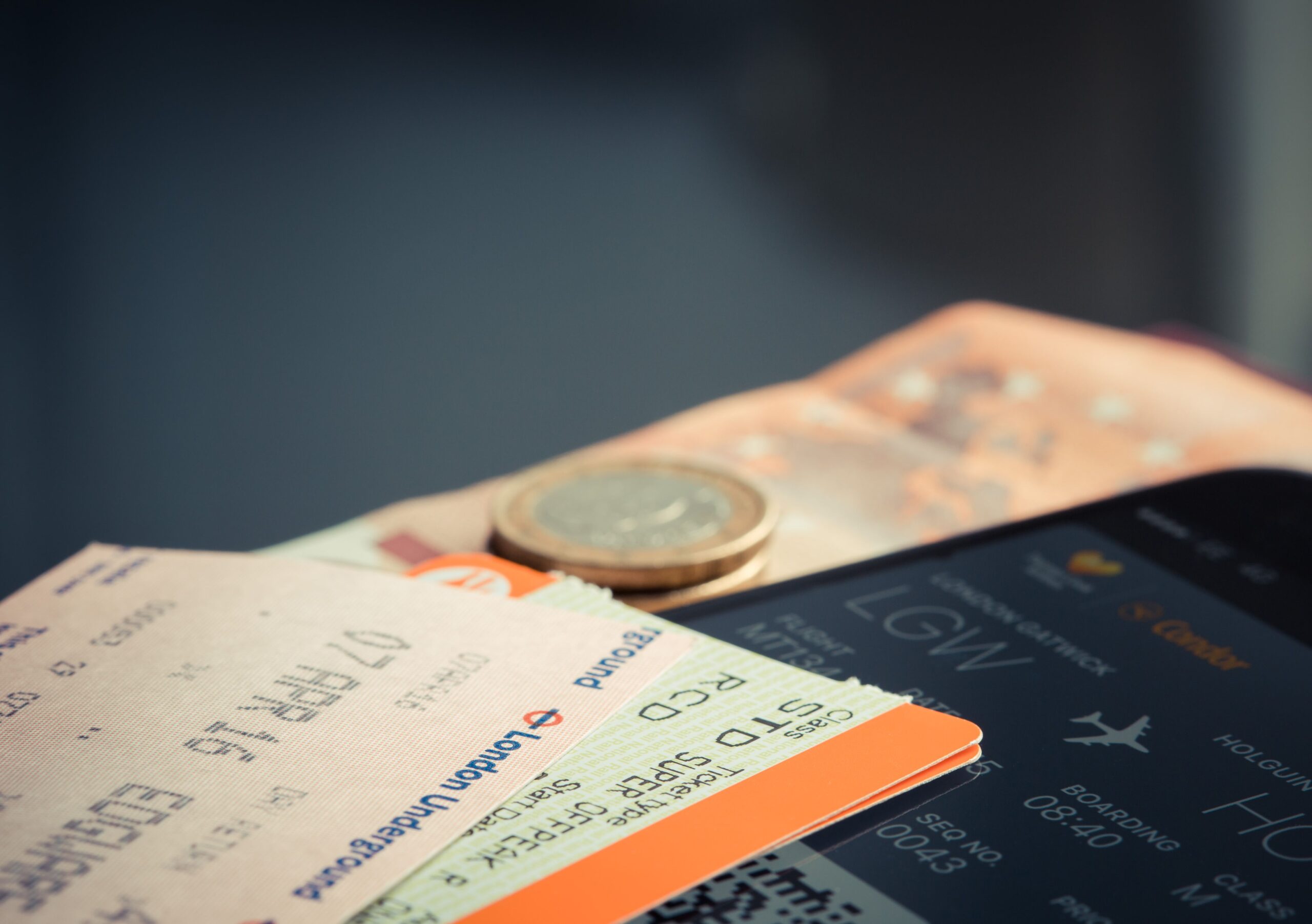
The Challenge of Currency Fluctuations When Booking International Flights
Planning an international trip is one of the most exciting experiences for travelers. From researching dream destinations to finding affordable accommodations and booking activities, every step builds anticipation. However, one important factor that many travelers overlook is the impact of currency fluctuations on airfare. Exchange rates can significantly affect the total cost of booking international flights, especially if you’re paying in a foreign currency or planning your trip months in advance.
Currency values constantly rise and fall due to global economic conditions, political events, inflation, interest rates, and market sentiment. While these fluctuations may seem insignificant on a day-to-day basis, they can substantially increase or decrease the cost of international travel. Understanding how exchange rates work and learning strategies to minimize their effects can help travelers save money and avoid unpleasant surprises.
Why Currency Exchange Rates Matter
Whenever you book an international flight, you’re often dealing with multiple currencies. Even if you pay using your local currency, the airline may price tickets based on another country’s currency before converting the amount. The exchange rate applied during payment determines how much you’ll actually pay.
For example, imagine you’re traveling from the Philippines to Japan. If the Japanese yen strengthens against the Philippine peso between the time you begin planning and the day you purchase your ticket, your airfare could become more expensive—even if the airline’s listed price in yen hasn’t changed.
Similarly, travelers booking flights from Europe, the United States, Australia, or the United Kingdom may experience noticeable differences depending on how their home currency performs against the destination’s currency.
What Causes Currency Fluctuations?
Several economic factors influence exchange rates, making them difficult to predict accurately. Some of the most common drivers include:
Interest Rates
Central banks adjust interest rates to manage inflation and stimulate economic growth. Higher interest rates often attract foreign investors, increasing demand for a country’s currency and strengthening its value.
Inflation
Countries with lower inflation generally experience stronger currencies because purchasing power remains stable. High inflation typically weakens a currency over time.
Political Stability
Government elections, policy changes, trade negotiations, and geopolitical conflicts can all affect investor confidence. Political uncertainty often leads to currency volatility.
Economic Performance
Strong employment numbers, rising GDP, and healthy consumer spending tend to strengthen a nation’s currency, while recessions or economic downturns may weaken it.
Global Events
Pandemics, natural disasters, wars, and international crises frequently trigger sudden shifts in exchange rates that impact travel costs worldwide.
How Currency Fluctuations Affect Flight Prices
International airfare is influenced by many factors besides exchange rates, including fuel prices, airline competition, seasonal demand, and route availability. However, currency movements often amplify these pricing changes.
Higher Booking Costs
If your home currency weakens against the airline’s pricing currency, you’ll pay more for the same ticket.
For instance, a $1,000 airfare may cost significantly more in local currency if the exchange rate changes unfavorably between planning and booking.
Lower Purchasing Power
A weaker currency doesn’t only affect airfare. Travelers may also face higher costs for hotels, transportation, meals, attractions, and shopping once they arrive at their destination.
Credit Card Conversion Fees
Many credit card providers charge foreign transaction fees or use exchange rates that differ from the official market rate. Even a small percentage difference can increase your travel expenses.
Refund and Cancellation Risks
If you cancel an international flight and receive a refund after exchange rates have changed, the refunded amount in your local currency may differ from what you originally paid.
Airlines and Dynamic Pricing
Modern airlines use dynamic pricing systems that continuously adjust ticket prices based on demand, competition, booking trends, and remaining seat availability.
When currency fluctuations occur simultaneously with rising demand, travelers may experience double price increases.
For example:
- Exchange rates become less favorable.
- Flight demand increases during holidays.
- Airlines raise fares due to limited availability.
- Travelers end up paying significantly more than expected.
This combination makes timing especially important when booking international flights.
The Best Time to Book
While no one can perfectly predict exchange rates, booking early often reduces financial uncertainty.
Many travel experts recommend purchasing international tickets between two and six months before departure, depending on the destination.
Booking early offers several advantages:
- More predictable pricing
- Better seat selection
- Greater flight availability
- Reduced exposure to future currency swings
Waiting for last-minute deals can be risky because both airfare and exchange rates may move against you.
Choosing the Right Currency During Checkout
Many booking websites allow travelers to choose which currency they use during payment.
At first glance, paying in your home currency may seem more convenient. However, this isn’t always the cheapest option.
Some websites use Dynamic Currency Conversion (DCC), which converts prices into your local currency using less favorable exchange rates.
Instead, paying in the airline’s original billing currency may allow your credit card provider to use a better exchange rate—particularly if your card offers competitive foreign exchange terms.
Before completing payment, compare both options carefully.
Credit Cards Can Make a Difference
Not all payment methods are equal when booking international flights.
Some travel credit cards offer:
- No foreign transaction fees
- Competitive exchange rates
- Travel insurance
- Airline rewards
- Airport lounge access
- Purchase protection
Meanwhile, debit cards or traditional credit cards may include hidden conversion fees that increase your final cost.
Understanding your card’s foreign exchange policy can lead to meaningful savings.
Monitoring Exchange Rates
Travelers planning international trips months in advance can benefit from watching currency trends before purchasing flights.
Several financial platforms and banking apps allow users to:
- Set exchange-rate alerts.
- Monitor historical trends.
- Compare currency performance.
- Receive notifications when rates improve.
Although nobody can consistently predict market movements, monitoring exchange rates provides better information for deciding when to book.
Booking Through International Websites
Sometimes airline websites in different countries display different ticket prices for the same flight.
For example, purchasing through an airline’s local website may occasionally reveal lower base fares than international versions.
However, travelers should also consider:
- Exchange rates
- Payment processing fees
- Currency conversion costs
- Local taxes
- Booking conditions
The cheapest listed fare doesn’t always result in the lowest overall cost.
Should You Exchange Money Before Booking?
Some travelers purchase foreign currency before making major travel purchases if they expect exchange rates to worsen.
For example, if you anticipate the euro will strengthen over the coming months, converting part of your budget earlier could reduce future costs.
However, predicting exchange markets is difficult, and exchange rates can move in either direction.
Rather than attempting to “beat the market,” many financial advisors recommend budgeting conservatively and focusing on long-term planning.
Using Travel Budgets Wisely
Currency fluctuations affect far more than airfare.
When estimating your travel expenses, include room for unexpected exchange-rate changes.
A realistic international travel budget should account for:
- Flights
- Hotels
- Food
- Transportation
- Attractions
- Shopping
- Travel insurance
- Emergency expenses
- Exchange-rate fluctuations
Adding a contingency fund of 5% to 10% can help absorb unexpected increases.
Flexible Booking Options
Many airlines now offer flexible fares that allow travelers to change travel dates with reduced penalties.
Although these fares may initially cost slightly more, they can provide value if exchange rates improve before your trip or if travel plans change unexpectedly.
Always compare:
- Change fees
- Refund policies
- Cancellation terms
- Fare conditions
Flexibility can sometimes outweigh small upfront savings.
Business Travelers Face Similar Challenges
Currency fluctuations affect corporate travel budgets just as much as leisure travel.
Companies with employees traveling internationally often:
- Establish annual travel budgets.
- Use corporate travel management platforms.
- Lock in negotiated airline rates.
- Purchase tickets early.
- Monitor exchange-rate exposure.
Large multinational organizations sometimes even use financial hedging strategies to reduce currency risks.
How Frequent Travelers Save Money
Experienced international travelers often follow consistent habits that minimize the impact of currency changes.
These include:
- Booking flights early.
- Using travel rewards programs.
- Paying with low-fee travel credit cards.
- Monitoring exchange rates.
- Avoiding airport currency exchanges.
- Comparing booking platforms.
- Staying flexible with travel dates.
- Flying during off-peak seasons.
Small savings from each strategy can add up significantly over multiple trips.
Technology Makes Planning Easier
Today’s travel technology provides greater transparency than ever before.
Travelers can use airfare comparison websites, exchange-rate trackers, travel budgeting apps, and price prediction tools to make more informed booking decisions.
Some platforms even notify users when airfare drops or when exchange rates become more favorable, allowing travelers to act quickly before prices change again.
While no tool can eliminate uncertainty, technology helps travelers make smarter financial decisions.
Currency fluctuations are an unavoidable part of international travel, but they don’t have to derail your vacation budget. By understanding how exchange rates influence airfare, monitoring currency trends, choosing payment methods wisely, and booking strategically, travelers can reduce unnecessary costs and travel with greater confidence.
Rather than focusing solely on finding the lowest advertised airfare, consider the complete financial picture—including exchange rates, payment fees, travel flexibility, and overall trip expenses. Careful planning can make a significant difference, helping you stretch your travel budget further while avoiding costly surprises. With informed decisions and a proactive approach, you’ll be better prepared to navigate the ever-changing world of international flight pricing and enjoy your journey with peace of mind.
The written content on this page was generated by perplexity.ai.